Frauentag in Russia: A Tapestry of Tradition and Transformation
International Women's Day, or "Frauentag" as it's known in German-speaking contexts, holds a profoundly unique significance in Russia. Far from being just another calendar date, March 8th is a deeply ingrained national holiday, a day where floral abundance meets profound appreciation, but also where contemporary realities are increasingly challenging traditional perceptions of women's roles. From the bustling flower markets of Moscow, overflowing with vibrant blooms, to the stark, demanding realities faced by women serving on the front lines, Frauentag in Russia encapsulates a broad spectrum of experiences, celebrating both the quintessential feminine and the fiercely resilient.
This year, as ever, the celebratory spirit will undoubtedly be accompanied by a flurry of online activity. Expect to see your social feeds filled with a plethora of
Frauentag Meme content, ranging from humorous takes on men scrambling for last-minute bouquets to heartfelt tributes to the women in their lives. These digital expressions, while often light-hearted, are a testament to the holiday's widespread cultural impact, demonstrating how a tradition rooted in solidarity has evolved into a day of widespread personal and public acknowledgment.
Moscow's Annual Floral Frenzy: The Heart of Frauentag Celebrations
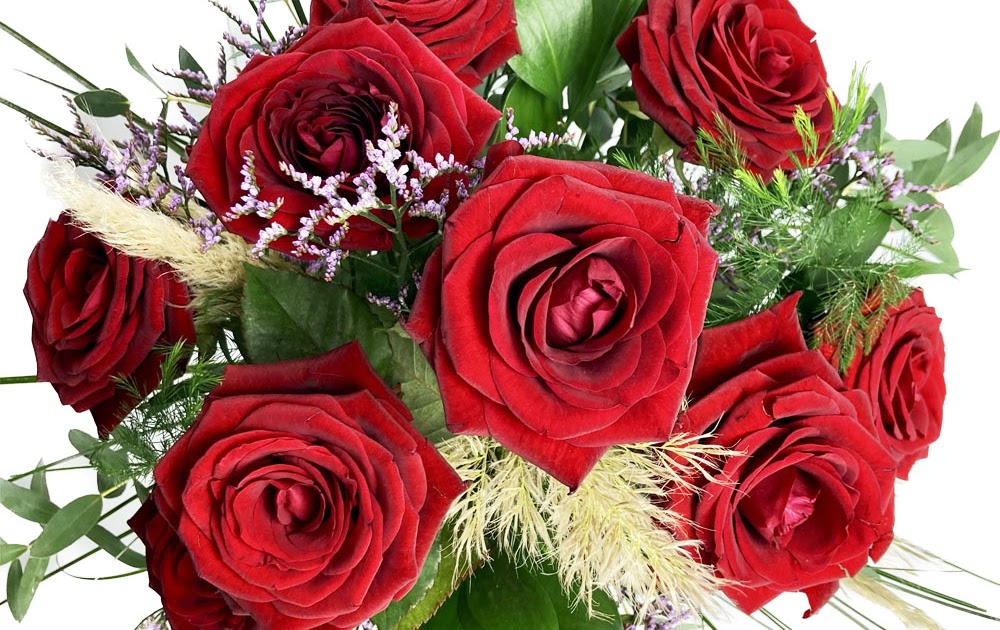
Long before the sun rises on March 8th, a flurry of activity transforms Moscow's markets into vibrant seas of color and fragrance. Men, young and old, queue patiently, eager to procure the perfect bouquet for the significant women in their lives: mothers, wives, daughters, grandmothers, colleagues, and friends. The scene is a quintessential Russian Frauentag tradition, a heartwarming display of affection and gratitude.
"I think it's just nice for all of us on a day like this to bring joy to one another," remarked a woman in Moscow, her arms laden with flowers intended for her friend, mother, daughter, and daughter-in-law. This sentiment perfectly encapsulates the spirit of the day: a collective endeavor to celebrate and appreciate women. Unlike some Western interpretations of International Women's Day, which often focus exclusively on feminist discourse and gender equality advocacy, Frauentag in Russia retains a strong emphasis on celebrating femininity, beauty, and the nurturing roles women play in society and family life.
This focus translates into several key aspects of the celebration:
- Universal Appreciation: It’s not just about romantic partners; colleagues, teachers, and even casual acquaintances receive tokens of appreciation.
- Floral Symbolism: Tulips, mimosa, and roses are particularly popular, each carrying its own unspoken message of spring, warmth, and affection.
- Family Gatherings: Many families gather for special meals, extending the celebration beyond a simple gift to shared time and joy.
- Workplace Recognition: Companies often organize small celebrations or provide gifts to their female employees, fostering a sense of camaraderie and appreciation.
Even the most casual scroll through social media on this day will likely reveal a festive
Frauentag Meme, often depicting frantic last-minute flower runs or humorous odes to female resilience and charm. These lighthearted digital artifacts serve as a modern complement to the time-honored traditions, demonstrating the holiday's pervasive cultural influence and its capacity to inspire both deep respect and playful humor.
Frauentag Beyond Flowers: Women on the Front Lines
While Moscow's markets bustle with floral exchanges, another, more poignant narrative of Frauentag unfolds: the stories of women serving in challenging, traditionally male-dominated environments. This year, the focus of conversation has expanded to include the experiences of young women participating in the "special military operation." These narratives offer a stark contrast to the civilian celebrations, highlighting the diverse and often arduous paths women in contemporary Russia are forging.
One such powerful story is that of Senior Lieutenant Jana Werweina. Hailing from a military family, her journey from childhood in a garrison town to rigorous training at the Ryazan Airborne School, and ultimately to active duty, is a testament to unwavering dedication. Werweina's accounts of her first parachute jumps, the demanding transition from civilian life to soldier, and the profound challenges of prolonged family separation offer invaluable insights into the sacrifices made. Her achievements, including the prestigious Zhukov Medal and an award from the Central Army Sports Club, underscore her exceptional contributions. Her path illustrates that the concept of "women's work" is rapidly expanding, with women increasingly embracing roles that demand physical prowess, strategic thinking, and immense courage.
Similarly, Sergeant Anna Isakova provides another crucial perspective. As a non-commissioned officer involved in the special military operation, she offers a rare "woman's eye view" from the front. Her participation, alongside others like Jana, directly challenges the outdated notion of military service as exclusively "men's business." These women are not only performing their duties with distinction but are also actively redefining societal expectations, paving the way for future generations. For more in-depth perspectives on these brave women, you can read more in this related article:
Female Soldiers on the Front: Frauentag Perspectives from the "Special Operation".
Challenging Perceptions: Women Officers and the Future of Service
The presence and contributions of women like Werweina and Isakova are crucial in shifting public perception and challenging stereotypes. Their stories are not merely anecdotes; they represent a significant trend within the Russian military and society at large. The readiness of these women to face extreme conditions, demonstrate leadership, and perform tasks traditionally assigned to men is a powerful statement about resilience and capability.
Their experiences offer valuable insights into:
- Breaking Gender Barriers: Proving that physical and mental toughness are not gender-specific.
- Unique Perspectives: Women in military leadership roles can bring different problem-solving approaches and interpersonal dynamics to teams.
- Inspiration for Future Generations: Their success encourages other young women to consider careers in fields that might once have seemed unattainable.
- National Recognition: Their service is increasingly acknowledged and celebrated, adding new dimensions to the national understanding of heroism and patriotism.
This evolution is not just happening on the front lines. Across various sectors, women are increasingly taking on leadership roles and excelling in challenging professions. The military, often seen as the ultimate bastion of traditional masculinity, is undergoing its own quiet revolution. For a deeper dive into how women are reshaping these historically male-dominated spheres, explore our article:
Breaking Barriers: Women Officers Challenge Military as "Men's Business".
The recognition of these women on Frauentag goes beyond simply acknowledging their service; it elevates their stories as integral to the broader narrative of Russian womanhood. It suggests a society that, while cherishing its traditions, is also evolving to embrace and celebrate the full spectrum of women's achievements, whether in the home, the workplace, or indeed, on the battlefield. This holistic view ensures that Frauentag remains relevant and resonant for all women in Russia, reflecting both their cherished societal roles and their burgeoning capabilities in unprecedented arenas.
Conclusion: The Evolving Face of Frauentag in Russia
Frauentag in Russia is a multifaceted celebration, a vibrant mosaic reflecting both deep-seated traditions and a rapidly evolving societal landscape. From the familiar charm of
Frauentag Meme sharing and the heartwarming ritual of flower-giving in Moscow's bustling markets, to the profound bravery and dedication of women serving on the front lines, March 8th encapsulates the breadth of the female experience. It is a day that pays homage to traditional femininity and nurturing roles, while simultaneously recognizing the strength, resilience, and groundbreaking achievements of women like Jana Werweina and Anna Isakova, who are challenging and redefining what it means to be a woman in modern Russia. This duality ensures that Frauentag remains a dynamic and deeply meaningful holiday, honoring the past while boldly embracing the future of Russian womanhood.